

Thoughts & Ideas
“Thoughts without content are empty, intuitions without concepts are blind.”
-Immanuel Kant
-
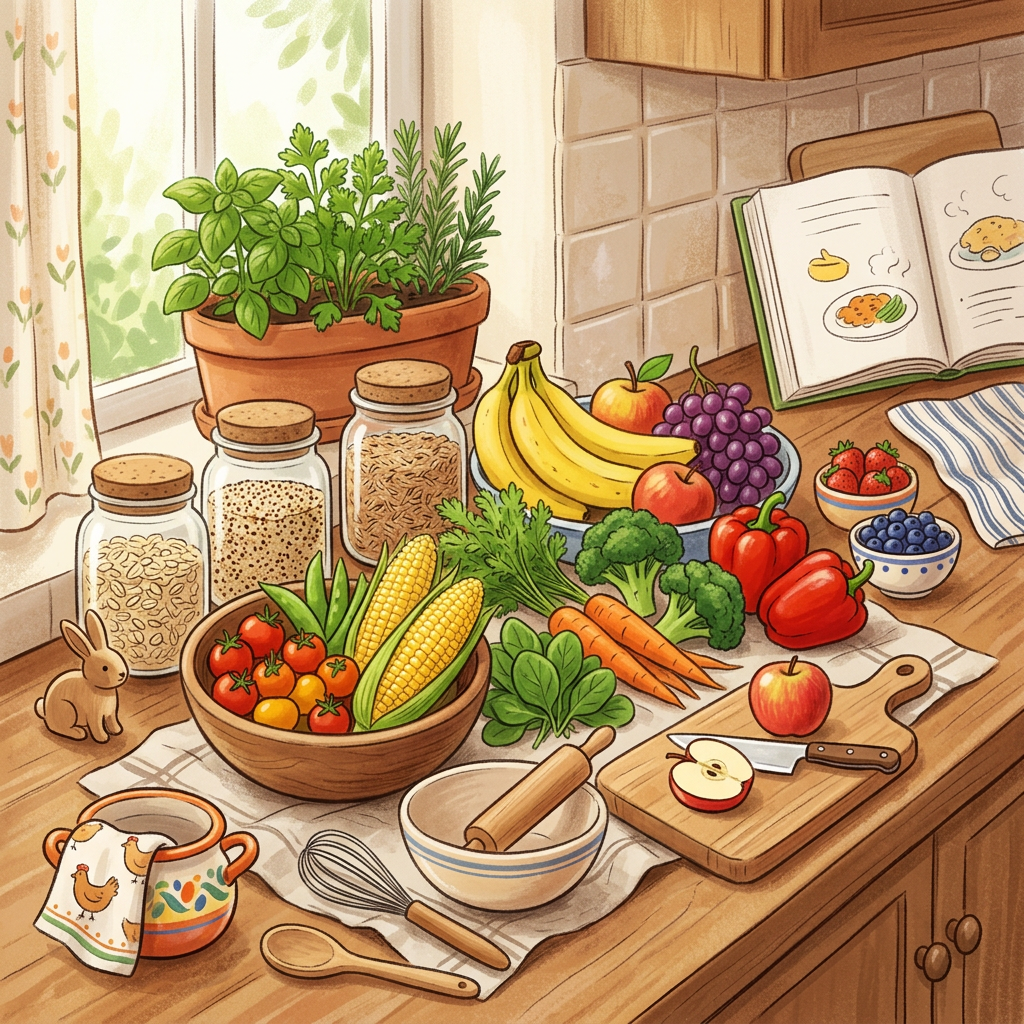
Fresh Meals Matter for Growing Children
Children’s bodies are growing every day, and what we feed them matters. Their meals should provide more than something to fill their stomachs, they should offer nourishment that supports growth, learning, and energy throughout the day. Making fresh, wholesome foods a priority helps build that foundation. Meals prepared with vegetables,…
-
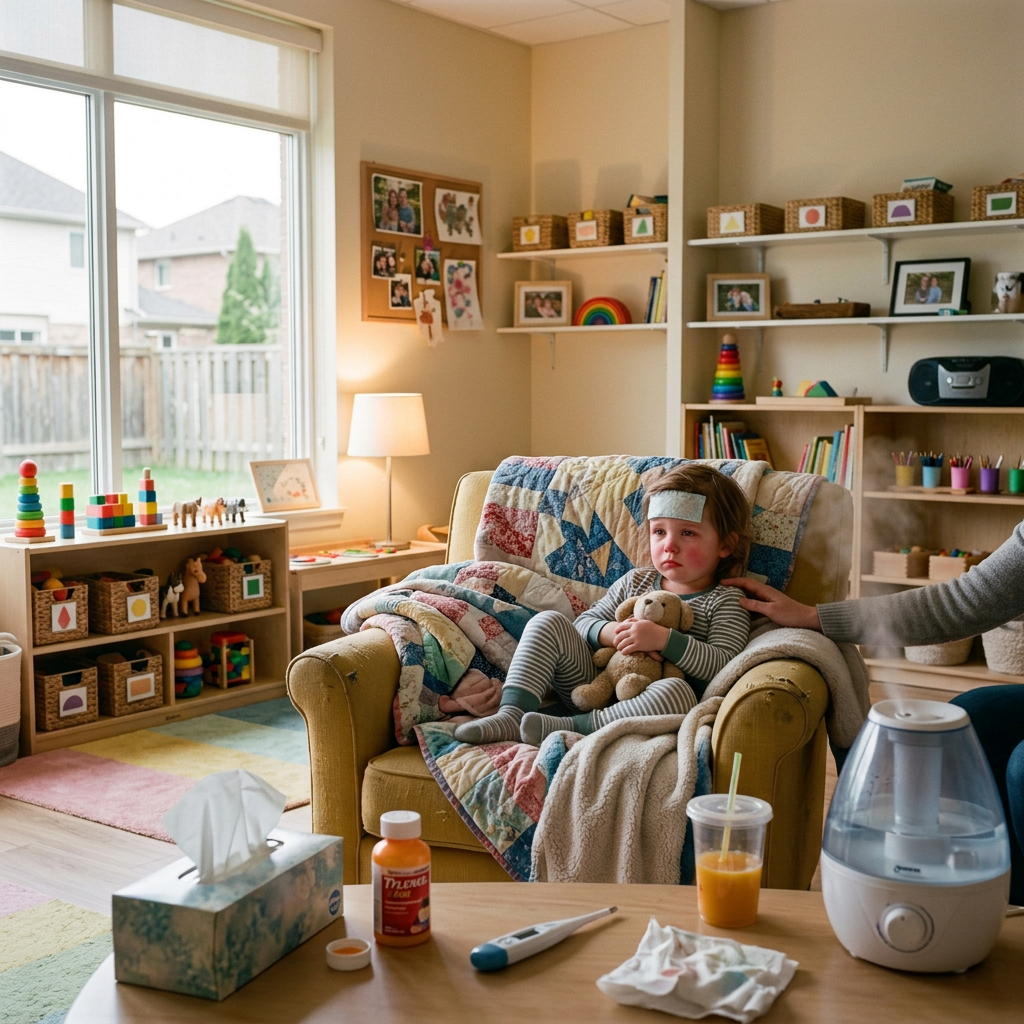
Keeping Sick Children Home: A Shared Responsibility
Every parent wants their child to feel safe, loved, and cared for. When children are sick, that care often means staying home, where they can rest, receive comfort, and get the attention they need. A child with a fever, repeated vomiting, significant diarrhea, or symptoms that prevent comfortable participation in…
-

Measles in Infants and Children: What Parents Need to Know
Measles is a highly contagious viral illness that can be especially serious for babies and young children. It spreads through the air when an infected person coughs or sneezes, and the virus can remain in the air for up to two hours after that person has left the area. Measles…
-
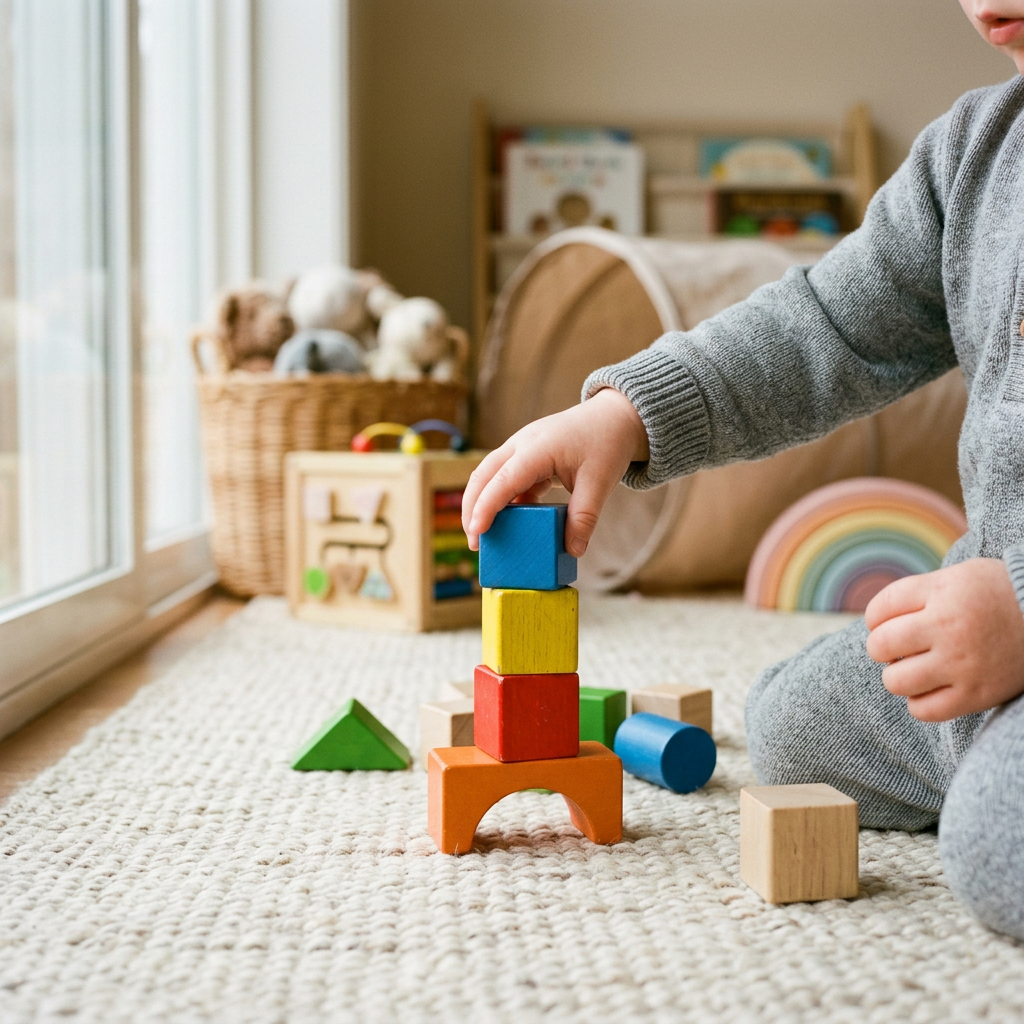
What to Expect From an 18-Month-Old
Many 18-month-olds are walking independently and becoming more confident with movement. They may climb onto low furniture, carry toys while walking, and begin attempting to use a spoon and drink from a cup. They are also developing better control of their hands and may scribble, turn pages in a book,…
-
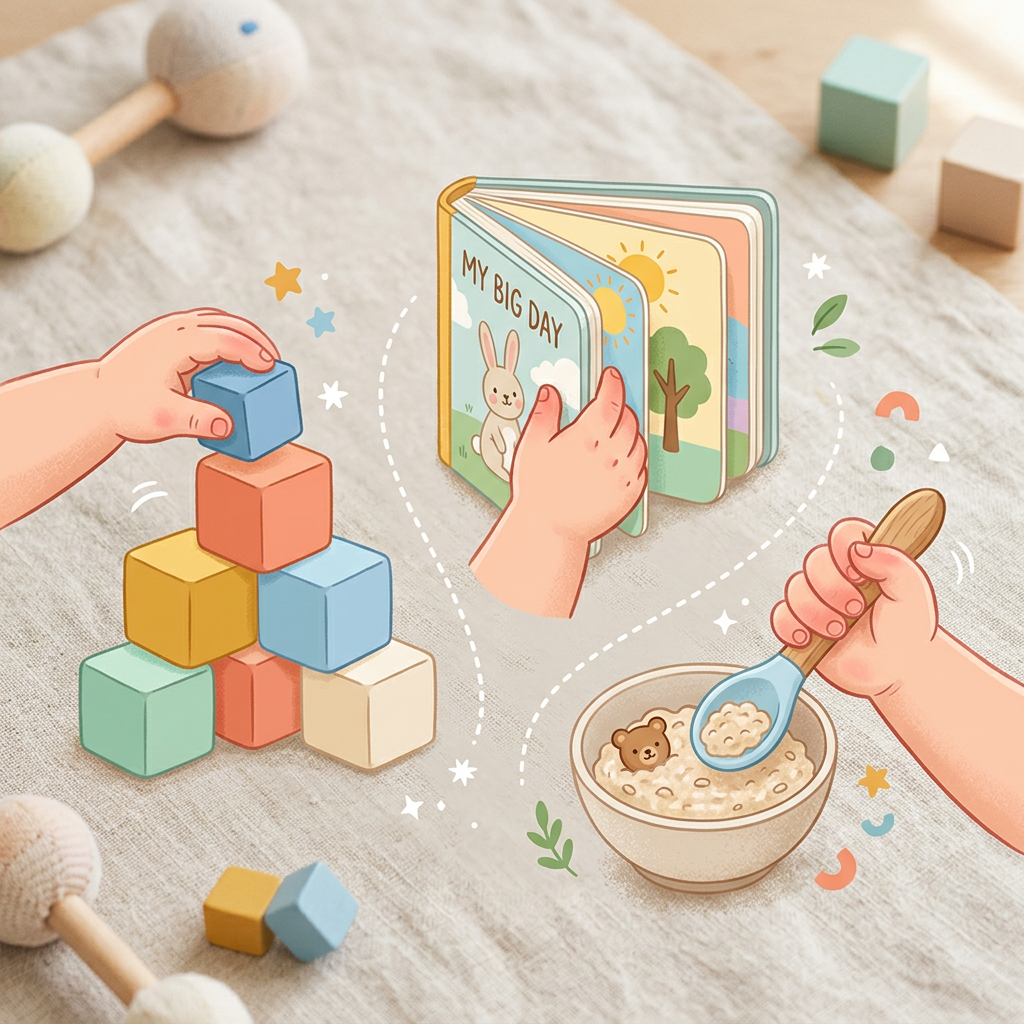
What to Expect From a 15-Month-Old
At 15 months old, children are becoming more curious, active, and independent. While every child develops at their own pace, there are some important developmental skills commonly seen around this age. Many 15-month-olds are beginning to take steps on their own and enjoy moving around to explore their surroundings. Communication…
-

Why Sick Children Need the Comfort of Home?
When babies and young children are sick, their needs often change significantly. A child who is normally happy, active, and independent may suddenly become more tired, emotional, clingy, or uncomfortable. They may want to be held more often, sleep at unusual times, eat less, or simply remain close to the…
-
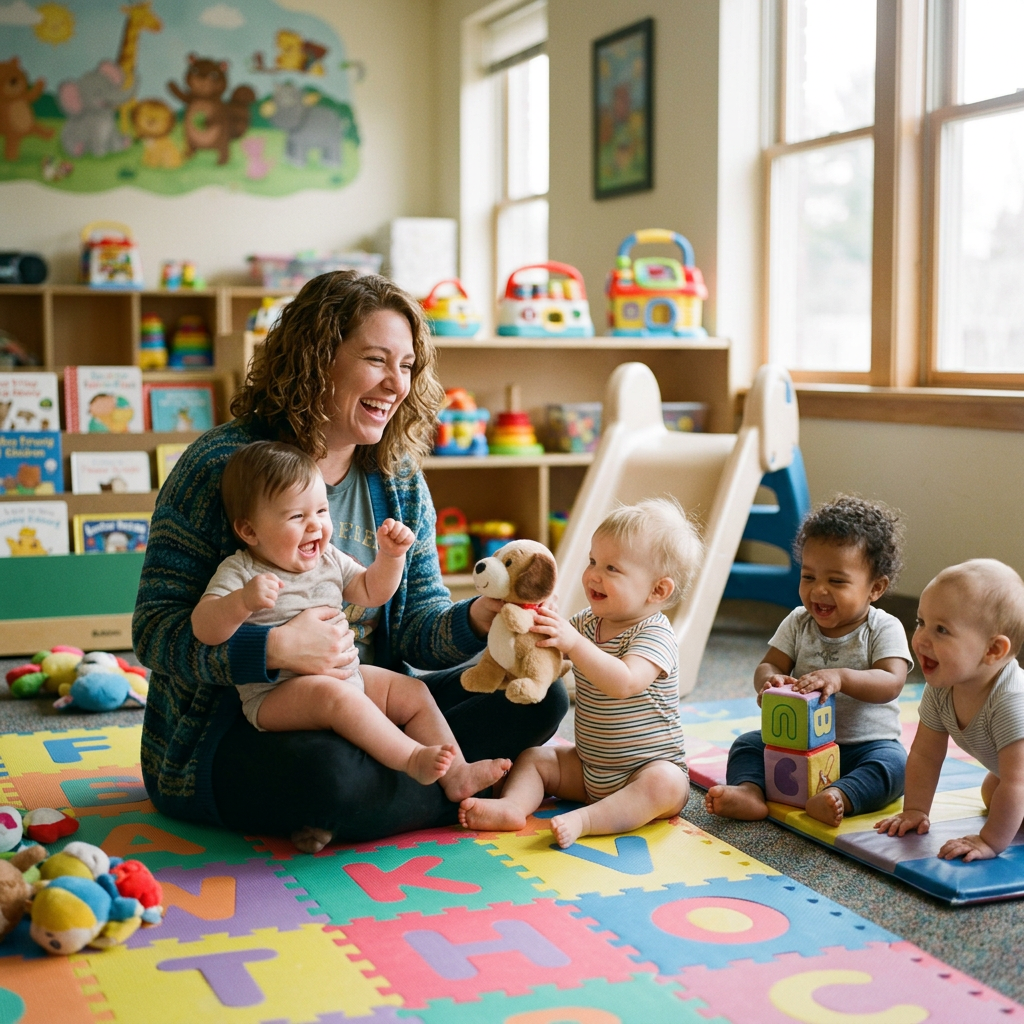
The Importance of Providing a Safe and Healthy Environment for Children
Children learn best when they feel safe, comfortable, and cared for. A well-maintained environment allows them to explore, play, and develop new skills with confidence. When children know their needs are being met, they are more likely to engage in activities, build friendships, and enjoy learning. A healthy environment includes…
-
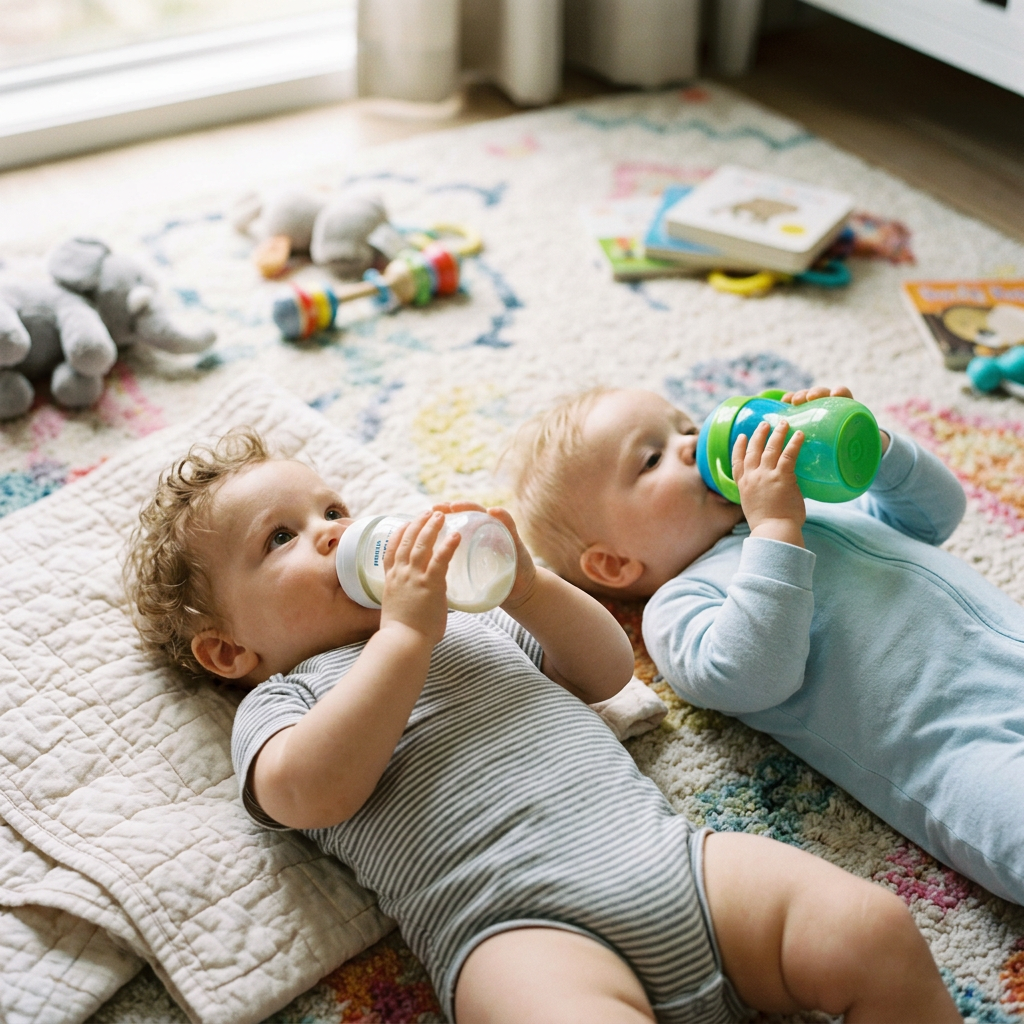
Encouraging Your Child to Hold Their Bottle and Sippy Cup
Learning to hold a bottle or sippy cup is an exciting milestone that helps children develop independence, hand strength, and coordination. Like all developmental skills, every child reaches this milestone at their own pace. The key is to encourage the skill in a positive and patient way without creating frustration…
-
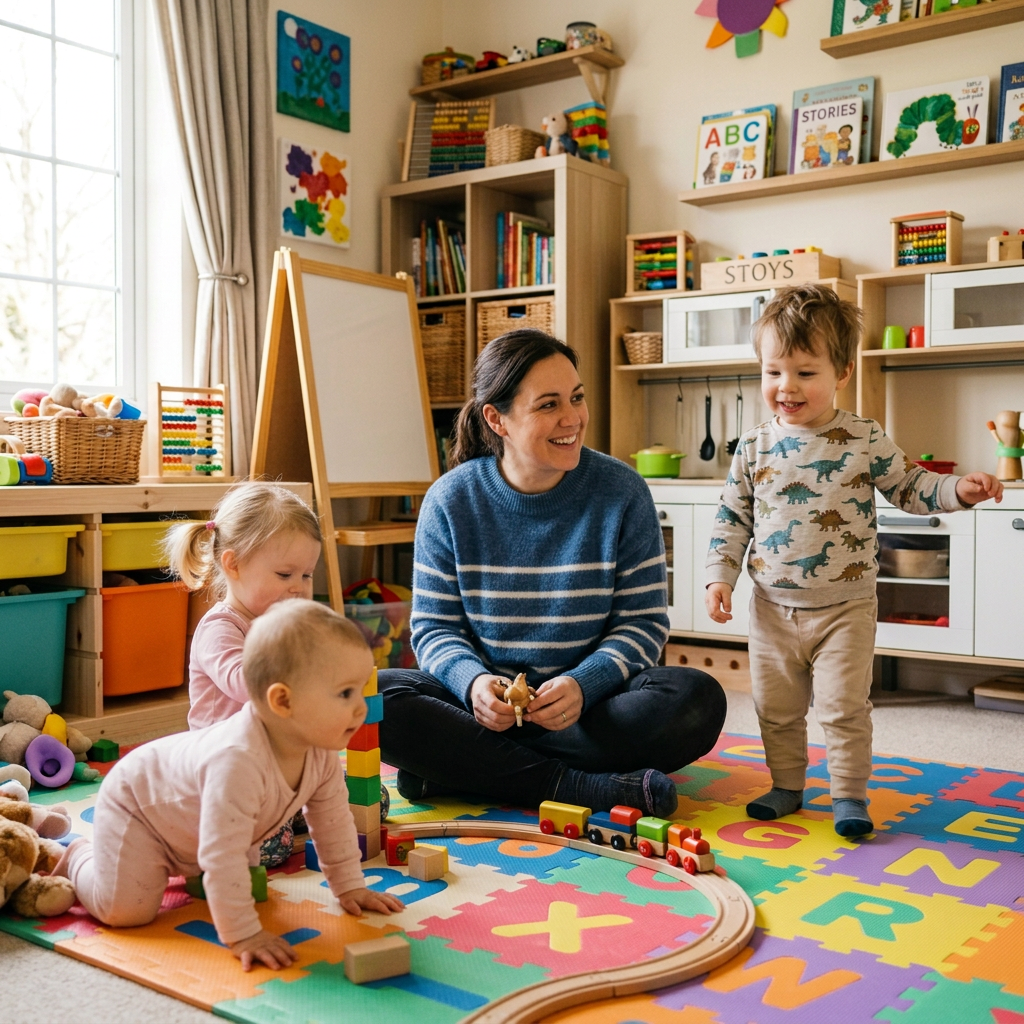
The Importance of Crawling While Respecting Each Child’s Unique Development
Crawling is an important developmental milestone that offers many benefits for young children. As babies crawl, they strengthen their arms, shoulders, core, hips, and legs while improving balance, coordination, and body awareness. Crawling also encourages the two sides of the body to work together, which supports future skills such as…
-

Teaching Children the Value of Exercise
Physical activity is an essential part of a child’s healthy growth and development. Teaching children the importance of exercise at a young age helps them build healthy habits that can last a lifetime. Exercise is not only about staying active, it also supports physical health, emotional well-being, and cognitive development.…